

Blog
How Many SoftWave Therapy Sessions Will You Need? A Rochester Patient's Guide
How Many SoftWave Sessions Will You Actually Need? An Honest Rochester Answer
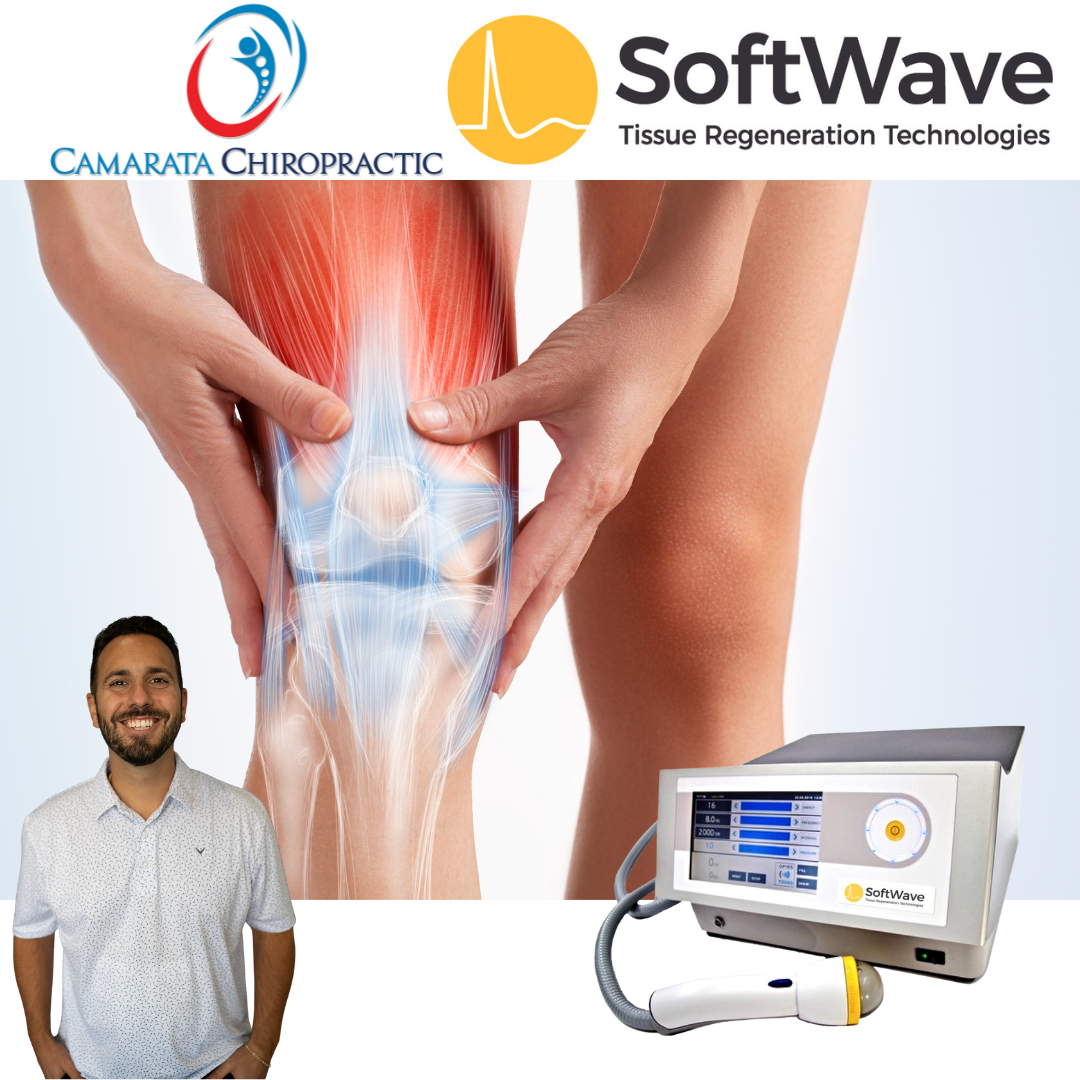
It is one of the first questions people ask when they walk through our doors in North Chili: "How many sessions is this going to take?" It is a fair question, and it deserves a straight answer rather than a sales pitch. At Camarata Chiropractic, Dr. Sam Camarata and our team offer SoftWave TRT as a non-invasive, drug-free option for Rochester area patients dealing with stubborn pain and slow-healing tissue. The honest truth is that SoftWave is not a one-and-done treatment. It is a series, and understanding why can help you set realistic expectations before you begin.
SoftWave Is a Course of Care, Not a Single Visit
Most people who come in for SoftWave Therapy complete a series of sessions spread over roughly six to eight weeks. Each individual session is short, usually about ten to fifteen minutes, and there is no downtime afterward, so you can walk in on a lunch break and get right back to your day. But the results build across the full course of care rather than arriving all at once.
This surprises some folks, especially those used to the idea that a treatment either works immediately or it does not work at all. SoftWave takes a different approach. Instead of masking a symptom, it is designed to prompt the body's own repair processes. Those biological processes take time to unfold. Asking the body to rebuild tissue in a single visit would be a little like expecting a single workout to get you in shape. The stimulus matters, but so does the accumulated effect of repeating it.
Why a Series Works Better Than One Big Treatment
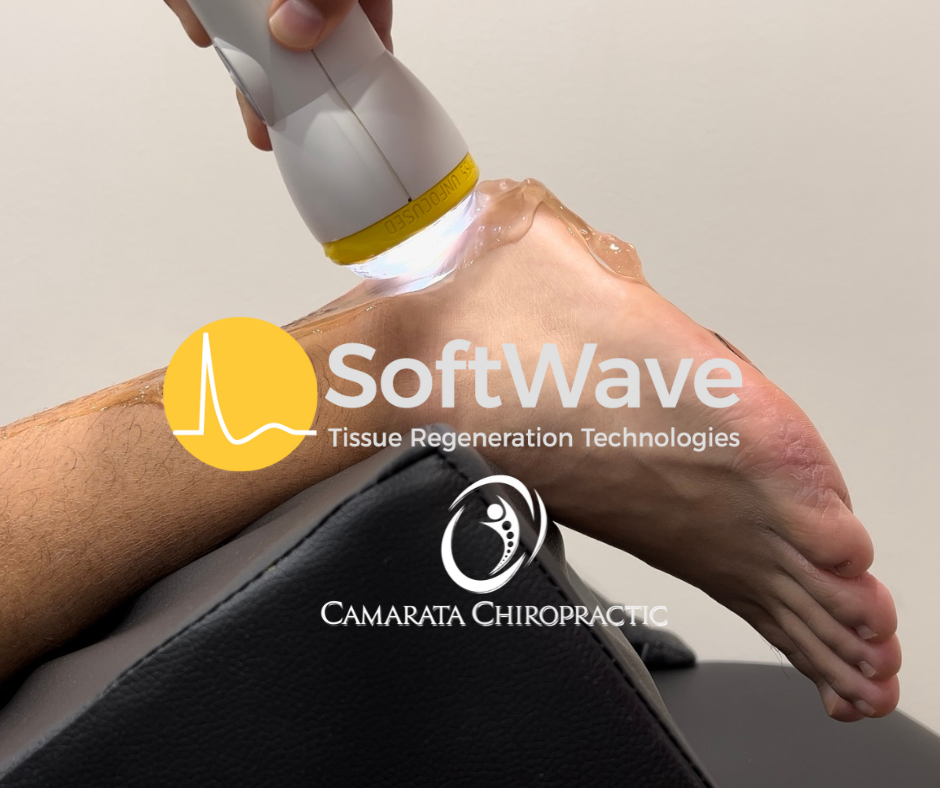
SoftWave TRT uses electrohydraulic, spark-generated broad-focused acoustic waves delivered through a patented parabolic reflector. It is the only broad-focused shockwave technology, which sets it apart from radial, electromagnetic, and piezoelectric devices. Those waves penetrate deep into tissue and trigger the body's natural healing cascade. Each session adds another signal that encourages your body to keep the repair process moving. Rather than one overwhelming jolt, the series delivers a steady, repeated nudge that the body can respond to safely and progressively.
What Affects the Number of Sessions You Need
There is no single magic number that applies to everyone, and anyone who promises you an exact count before evaluating you is guessing. The number of sessions that makes sense for you depends on several real factors, and Dr. Camarata weighs these during your initial visit.
Severity of the Condition
A mild, recent strain generally responds differently than a deeply entrenched, painful problem. The more significant the tissue involvement and the higher the pain levels, the more sessions may be needed to give the body enough repeated stimulus to make meaningful progress.
How Long You Have Had It
Chronicity matters a great deal. A problem you have lived with for years has often settled into a pattern, with reduced local blood flow and tissue that has stopped actively healing. Long-standing conditions typically ask for more patience and more sessions than something acute that began a few weeks ago. This is one reason we ask about your history in detail.
The Type of Tissue Involved
Different tissues have different blood supplies and different natural healing timelines. Areas with rich circulation may respond sooner, while tendons, ligaments, and other structures that receive less blood flow can take longer to show change. The location and type of the affected tissue help shape a realistic plan.
Your Age and Overall Health
Age is a factor, though not a barrier. Younger bodies often bounce back a little faster, but many older patients respond very well too. Your general health, activity level, and any other conditions all play a part in how your body responds and how many sessions feel right for you.
Ready to see if SoftWave Therapy is right for you? Request your SoftWave Discovery Day in Rochester today.
How SoftWave Supports Healing Over Time
To understand why the results keep building even after your sessions are done, it helps to know a little about what the acoustic waves are designed to do beneath the surface. In plain language, SoftWave is intended to encourage several of the body's own repair mechanisms.
- Stem cell activation: it is designed to stimulate the body's resident stem cells and encourage them to migrate toward the treated area.
- New blood vessel growth: through signaling molecules such as VEGF and eNOS, it may support angiogenesis, the formation of new blood vessels that carry oxygen and nutrients.
- Cell proliferation and collagen: factors like PCNA and BMP are associated with cell growth and the building of collagen, a key structural component of healthy tissue.
- Calming inflammation: it is designed to help modulate the inflammatory response, including regulation of toll-like receptors.
- Tissue housekeeping: it may support the clearance of senescent cells, the worn-out cells that can linger and slow recovery.
None of these processes finish the moment you leave the office. That is the key point about timing. Once the cascade is set in motion, the body continues its repair work for weeks and often months after your final session. Many patients report that they keep noticing gradual change well beyond the treatment window, which is exactly what you would hope for from a therapy that works with your biology rather than around it.
Setting Honest Expectations
Because healing is a process, it is important to go in with a realistic mindset. Some patients notice differences fairly early in their series, while others see the most meaningful change later, as the accumulated sessions and the ongoing biological response add up. Both experiences are normal. SoftWave is not a guarantee, and it does not replace advice from your medical providers, but for many Rochester residents it offers a genuinely non-invasive path to explore before considering more aggressive options.
SoftWave TRT has been studied at leading institutions and is used by clinicians who work with professional and collegiate athletes, which speaks to the seriousness with which the technology is taken. During your first visit, Dr. Camarata will evaluate your specific situation and talk through what a reasonable course of care might look like for you, rather than fitting you into a one-size-fits-all number.
Ready to Take the Next Step?
If you have been wondering how many SoftWave sessions your particular condition might take, the best answer comes from a personal evaluation right here in the Rochester area. Let us take a look and map out an honest plan together.
Request your SoftWave Therapy new patient visit online today
Contact Camarata Chiropractic
Camarata Chiropractic
3237 Union St
North Chili, NY 14514
Phone: 585-617-4145
Our Main Office Website: https://www.camaratachiropractic.com
‹ Back