

Blog
What to Expect at Your First SoftWave Therapy Session in Rochester, NY
What Really Happens at Your First SoftWave Therapy Session in Rochester, NY
Trying something new for a nagging ache or a stubborn injury can feel like a leap of faith, especially when you are not sure what the appointment will actually involve. If you have been looking into SoftWave Therapy here in the Rochester area and wondering what your first visit looks like, this guide walks you through it step by step so you can arrive relaxed and prepared. At Camarata Chiropractic, Dr. Sam Camarata and the team make the first appointment simple, unhurried, and easy to understand, whether you are traveling in from North Chili, Chili, Gates, Greece, or downtown Rochester.
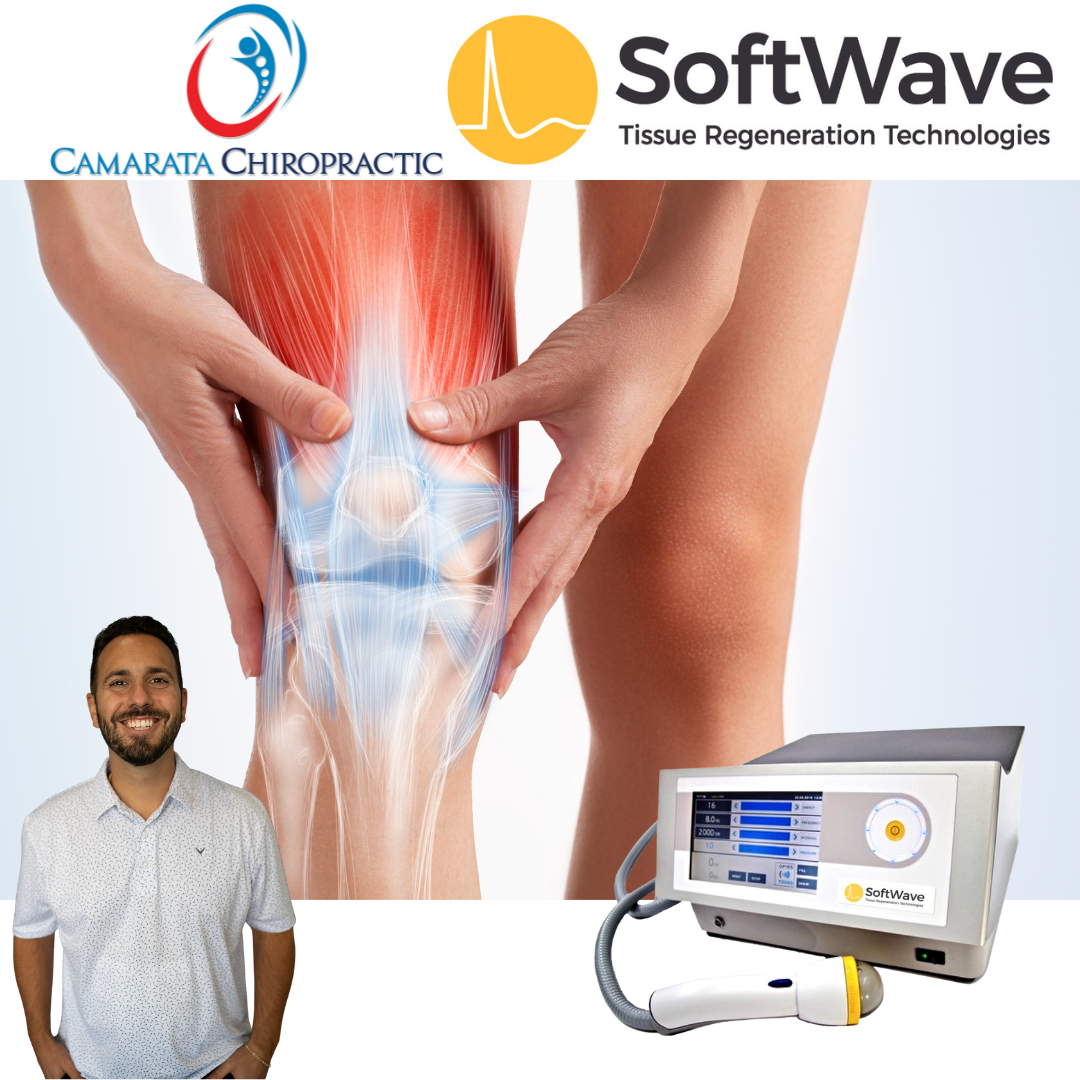
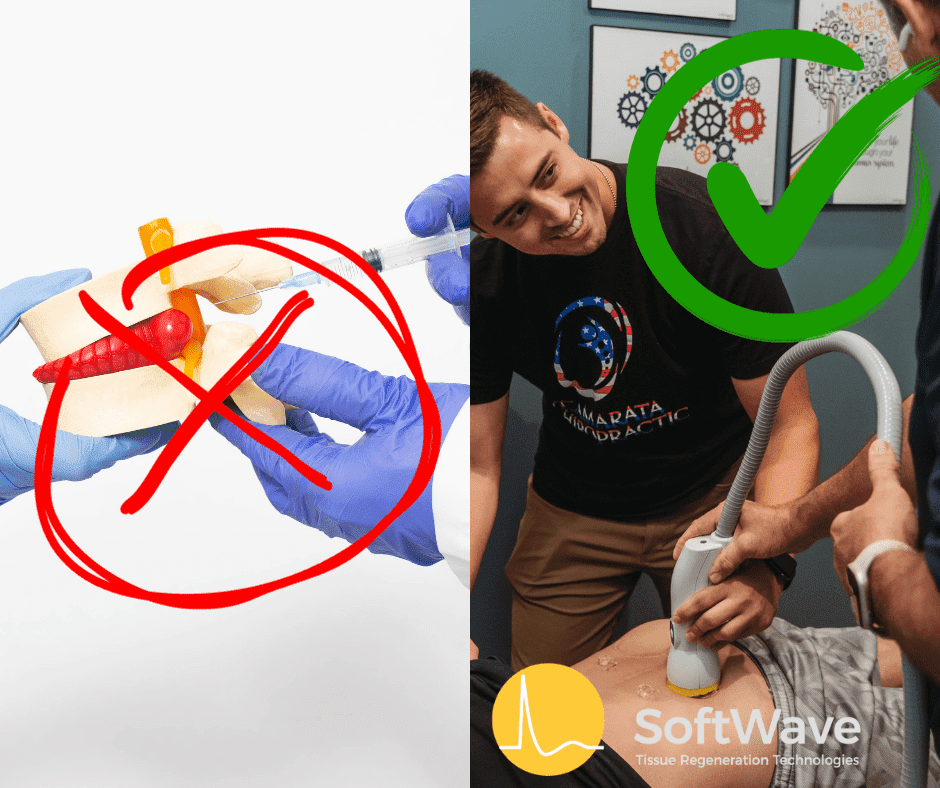
SoftWave TRT is a non-invasive, drug-free technology that uses broad-focused acoustic waves to encourage the body's own healing response. There are no needles, no medication, and no downtime, which is a big part of why so many people feel comfortable giving it a try. Below is a friendly, honest look at what to expect from consultation to your final wrap-up, plus a little plain-language science so you understand what the device is designed to do.
Step One: The Consultation and Conversation
Your first visit begins with a conversation, not a machine. When you arrive at the North Chili office, you will spend time talking with Dr. Camarata about what brought you in. Expect questions about where you feel discomfort, how long it has been going on, what makes it better or worse, and how it affects your daily life. If your knee has been keeping you off your morning walk around Black Creek or your shoulder is making work harder, this is the moment to describe all of it.
This part matters because SoftWave Therapy works best as part of a plan that fits you. The more the team understands about your history, activity level, and goals, the better they can tailor a recommendation. Bring any relevant details you have, such as prior imaging, a list of medications, or notes from other providers. There are no wrong answers here, and no pressure. The goal is simply to understand your situation clearly.
Step Two: The Exam and Assessment
After the conversation, Dr. Camarata will perform a hands-on exam. This usually involves checking your range of motion, testing specific movements, and pressing gently around the area of concern to locate the tissues that are contributing to your pain. One of the interesting features of SoftWave Therapy is that the applicator can help identify sensitive spots. As the device passes over an area, you may feel a stronger sensation where there is underlying dysfunction, which can help pinpoint the true source of a problem rather than only the place that hurts.
This assessment helps the team map out where to focus and gives you a baseline to compare against as you move through your sessions. Many patients appreciate that the exam feels thorough and that someone is finally taking time to understand the whole picture instead of rushing to a quick answer.
Step Three: What the SoftWave Applicator Feels Like
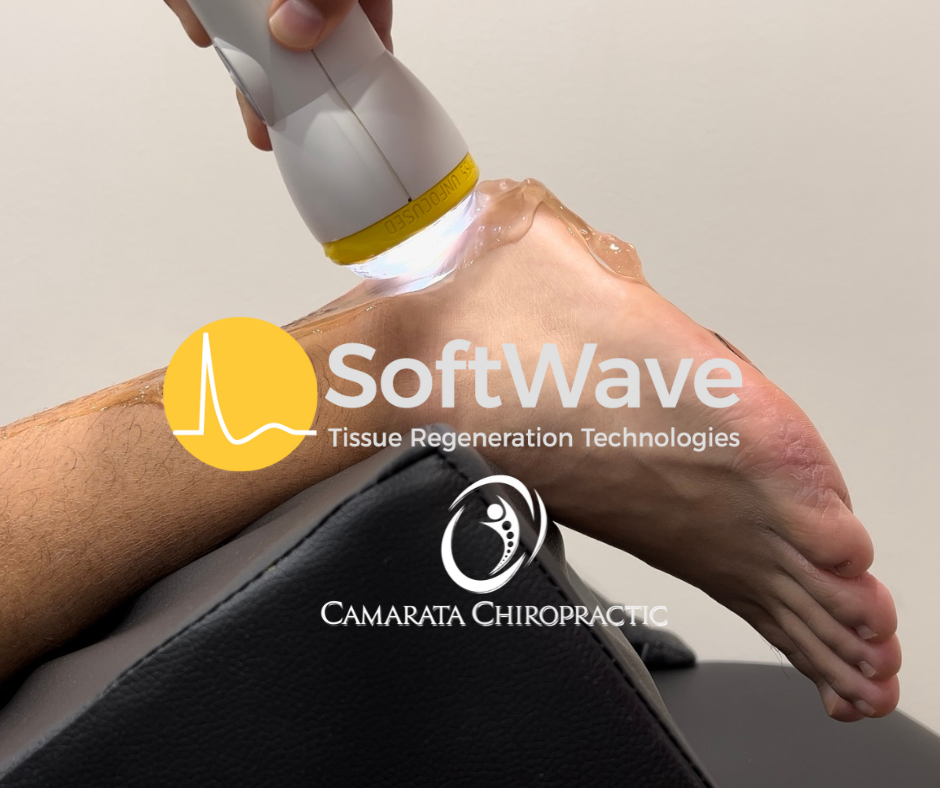
This is the question almost everyone asks first, so let's answer it plainly. A small amount of gel is applied to your skin to help transmit the waves, similar to the gel used during an ultrasound. The applicator is then placed against the treatment area and moved slowly across it. With each pulse you will feel a gentle tapping sensation, sometimes described as a light thumping or a mild pulse against the skin.
Most people find it very tolerable. Over areas that are especially sensitive or inflamed, the sensation can feel more noticeable, and that is completely normal. The intensity can be adjusted, so if anything feels like too much, you simply say so and the team dials it back. There is no cutting, no injection, and no numbing required. You stay fully clothed except for the specific area being treated, and you remain comfortably seated or lying down the entire time.
How SoftWave Therapy Works
SoftWave TRT stands apart because it delivers broad-focused shockwaves generated by a patented electrohydraulic, spark-driven reflector. Unlike radial, electromagnetic, or piezoelectric devices, this broad-focused approach is designed to reach deeper tissue and spread the energy across a wider healing zone. The waves are meant to wake up the body's natural repair processes rather than mask symptoms.
Here is the plain-language version of what the therapy is designed to encourage in the body:
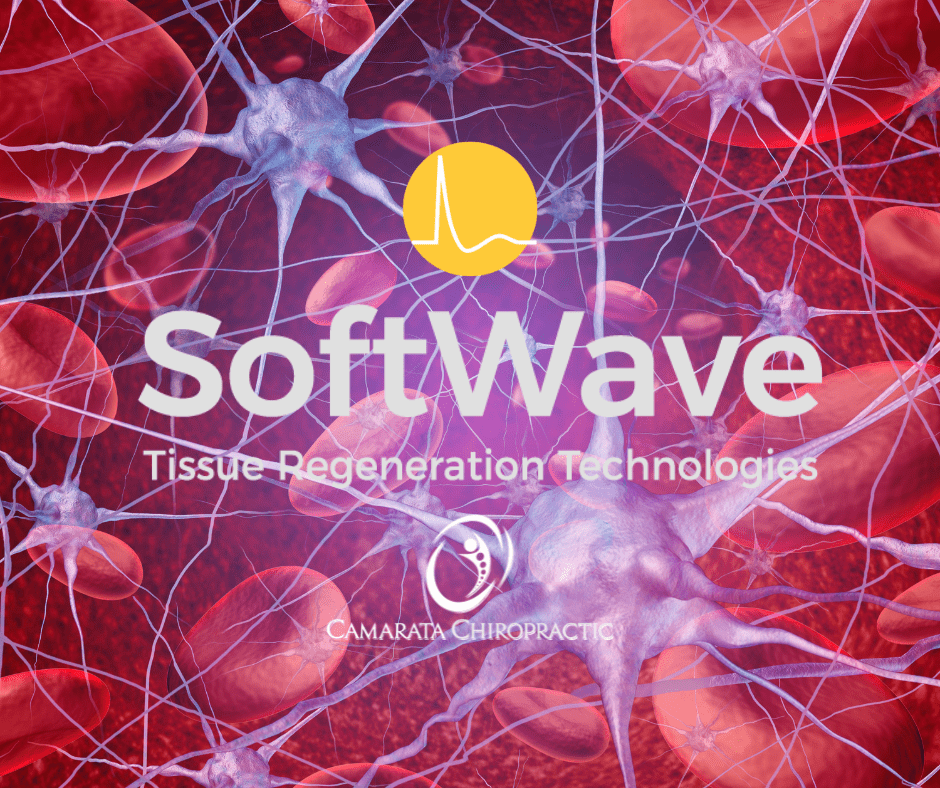
- Stem cell activation: it may help activate and recruit the body's own resident stem cells to the treated area.
- New blood flow: it is designed to support angiogenesis, the formation of new blood vessels, through signals like VEGF and eNOS.
- Cell repair and collagen: factors such as PCNA and BMP are associated with cell proliferation and collagen building.
- Calmer inflammation: it may help modulate inflammation and regulate toll-like receptor activity.
- Tissue cleanup: it is thought to assist the clearance of aged, senescent cells so healthier tissue can take over.
Because these are biological processes, healing tends to continue in the weeks and months after your sessions end, not just during the appointment itself. SoftWave TRT is FDA-cleared for uses that include activation of connective tissue, a temporary increase in blood flow, and temporary relief of minor muscle and joint pain.
Step Four: How Long the Session Takes
The actual SoftWave treatment portion is quick. Most sessions run about 10 to 15 minutes, which surprises a lot of first-time patients who expect something longer or more involved. Your very first visit runs a bit longer overall because it includes the consultation and exam, so plan for a little extra time on day one. After that, the appointments themselves are short and easy to fit around a work schedule or errands around Rochester.
Ready to see if SoftWave Therapy is right for you? Request your SoftWave Discovery Day in Rochester today.
Step Five: Your Next Steps and Care Plan
After your first treatment, Dr. Camarata will talk with you about a recommended plan. SoftWave Therapy is typically delivered as a series of sessions spread over roughly 6 to 8 weeks, since the body responds best to repeated, consistent stimulation rather than a single visit. The exact number of sessions depends on your condition, how long it has been present, and how your body responds along the way.
There is no downtime, so you can drive yourself home and return to your normal day right afterward. Many patients notice changes gradually as their care progresses, and because healing continues after the final session, the picture often keeps improving even once your visits are complete. The team will check in on your progress and adjust the plan as needed so it stays right for you.
A Few Simple Tips for Your First Visit
To make the appointment smooth, wear comfortable clothing that allows easy access to the area you want treated. Arrive well hydrated, since good hydration supports circulation. Bring your questions, because no concern is too small. And come with an open, patient mindset. SoftWave is a regenerative approach, so it works with your body's timeline rather than forcing an overnight fix.
Ready to Take the Next Step?
If lingering pain has kept you from doing what you love around Rochester, your first SoftWave Therapy visit is a low-pressure, non-invasive way to explore a drug-free path toward feeling better. Dr. Camarata and the team are ready to answer your questions and build a plan around you.
Request your SoftWave Therapy new patient visit online today
Contact Camarata Chiropractic
Camarata Chiropractic
3237 Union St
North Chili, NY 14514
Phone: 585-617-4145
Our Main Office Website: https://www.camaratachiropractic.com
‹ Back