

Blog
How SoftWave Therapy Activates Your Body's Own Stem Cells
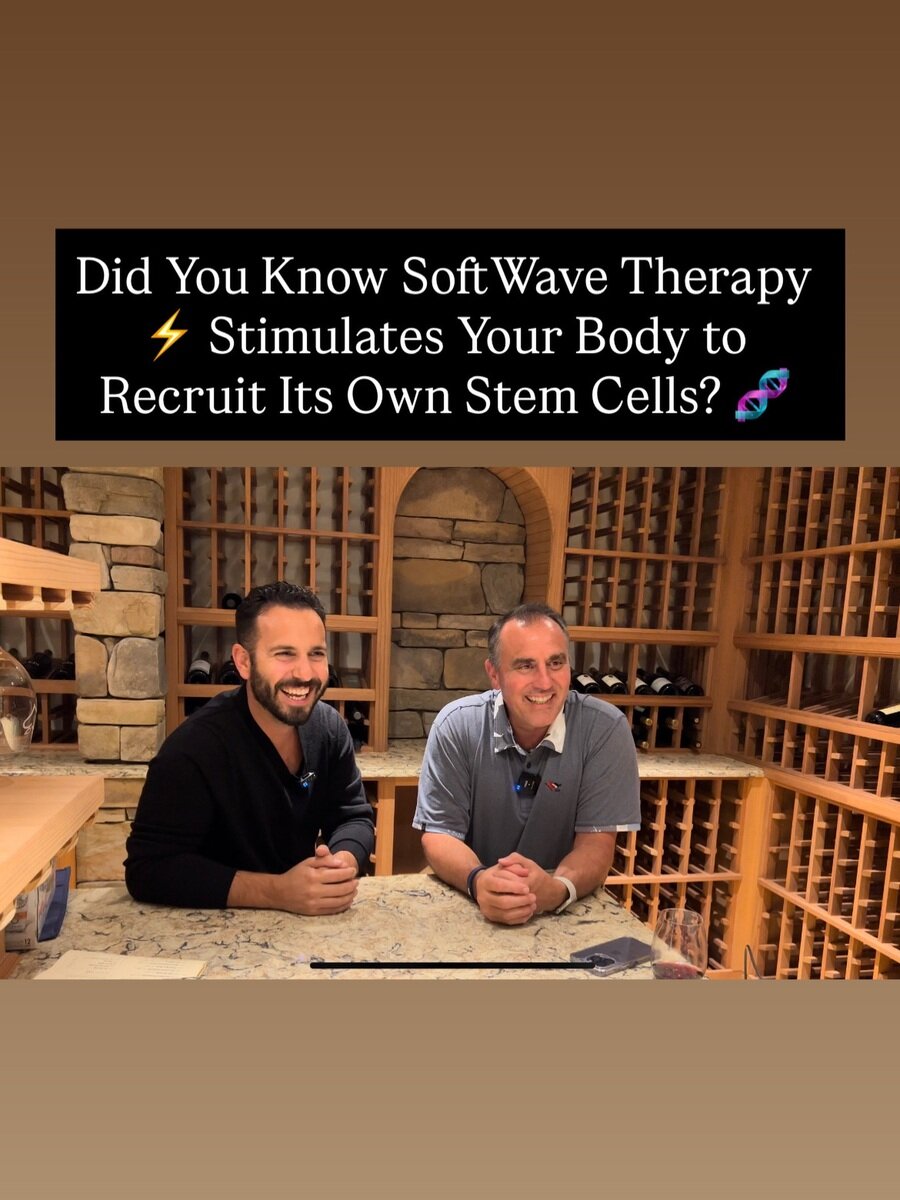
Can Your Body Really Heal Itself? A Rochester Look at SoftWave Therapy and Your Own Stem Cells
When Rochester residents hear the words "stem cell therapy," they often picture expensive injections, harvested cells, or treatments sourced from somewhere outside the body. So it surprises many people to learn that you already carry a built-in repair system, and that the cells doing the heavy lifting are entirely your own. At Camarata Chiropractic, Dr. Sam Camarata uses SoftWave TRT to work with that natural system rather than around it. Instead of adding anything to your body, SoftWave Therapy is designed to signal the cells you already have and encourage them to show up where they are needed most.
This is one of the most common questions people ask in our North Chili office: how can a non-invasive therapy activate stem cells without a single needle? The answer comes down to signaling. Below we break down, in plain language, how SoftWave communicates with your body, what "resident" stem cells actually are, and why using your own cells matters.
What Are Resident Stem Cells?
Stem cells are unspecialized cells that can develop into more specialized types, such as the cells that build tendon, ligament, bone, and other connective tissue. Your body keeps a reserve of these cells tucked away in your tissues. Researchers often call them resident stem cells because they already live in you, sitting quietly in a resting state until something tells them to get to work.
The challenge is that as we age, and especially when an injury becomes chronic, the natural "wake up" signals can weaken. The stem cells are still present, but the message to activate and migrate toward the damaged area may not be strong enough. This is one reason a nagging shoulder, knee, or lower back problem can linger for months. The repair crew is on the roster, but no one is calling them to the job site.
How SoftWave Sends the Signal
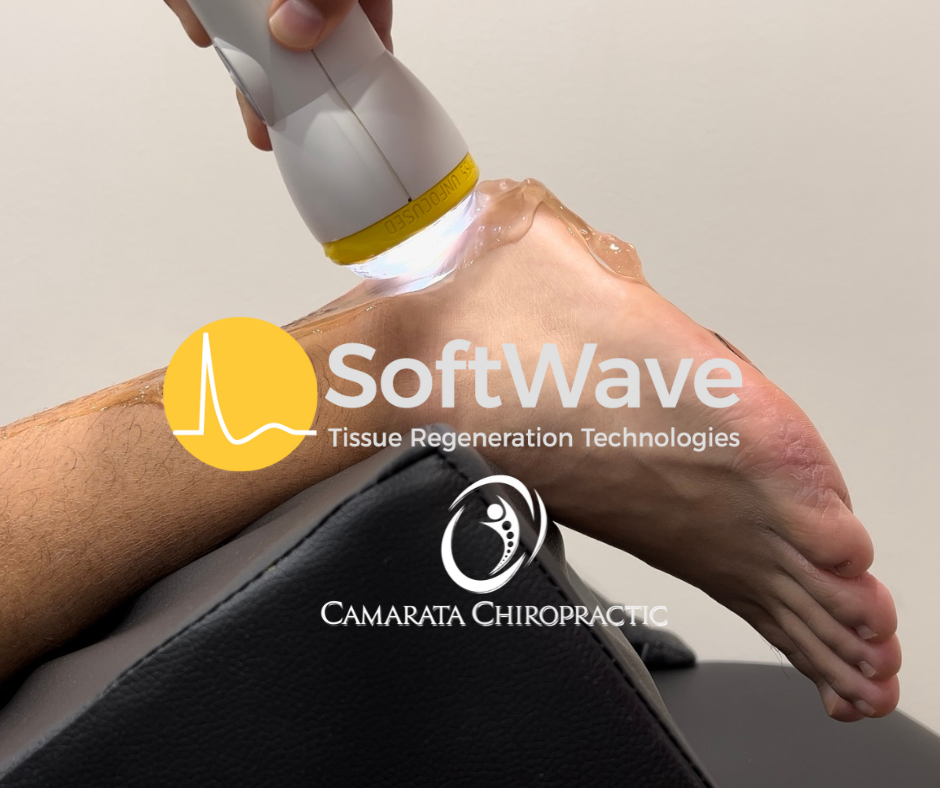
SoftWave TRT is short for Tissue Regeneration Technology. It is an electrohydraulic device that generates a spark inside a fluid-filled applicator. That spark creates a broad-focused acoustic wave, which is directed into the body through a patented parabolic reflector. This matters because SoftWave is the only broad-focused shockwave technology of its kind. It is different from radial, electromagnetic, and piezoelectric devices, and its broad-focused design allows the energy to spread through a wider area of tissue and penetrate deep enough to reach the structures that need help.
As those acoustic waves move through your tissue, they create a mechanical stimulus at the cellular level. Think of it as a wake-up knock delivered thousands of times over a short session. This mechanical signaling is what appears to reactivate the body's healing cascade. The waves do not force healing to happen artificially. Instead, they are designed to trigger the biological responses your body already knows how to perform.
Activation and Migration: Calling Your Cells to the Injury
Two words come up often when we explain this process: activation and migration. Activation refers to waking your resident stem cells from their resting state so they become ready to do repair work. Migration refers to those cells actually moving toward the area of damage. Both steps have to happen for meaningful repair to take place.
SoftWave Therapy is designed to encourage both. By delivering a controlled mechanical signal to the treatment area, the therapy helps prompt resident stem cells to activate and then travel to the site of injury, where they can begin contributing to the repair process. In effect, SoftWave helps your body recruit its own repair cells and point them in the right direction. Nothing is implanted, harvested, or injected. The cells were always yours.
How SoftWave Helps: The Science in Plain Language
Beyond stem cell signaling, SoftWave appears to influence several other processes that support healing. Here is a simple breakdown of what researchers associate with this kind of acoustic wave therapy:
- Resident stem cell activation and migration: waking your own repair cells and helping them move toward damaged tissue.
- PCNA and BMP activity: PCNA is a marker linked to cell proliferation, meaning cells multiplying to rebuild tissue, while BMP is associated with bone and connective tissue formation. Together these support the growth of new, healthy cells and collagen.
- Angiogenesis: the formation of new blood vessels, associated with signaling molecules such as VEGF and eNOS, which helps deliver oxygen and nutrients to the healing area.
- Modulation of inflammation: helping shift tissue out of a stalled, chronically inflamed state so productive repair can proceed.
- Clearance of senescent cells: encouraging the body to clean out worn-out, non-functioning cells that can slow recovery.
Collagen deserves a special mention. Collagen is the structural protein that gives tendons, ligaments, and other connective tissues their strength. When SoftWave supports cell proliferation and connective tissue activity, it is helping lay the groundwork for stronger, better-organized tissue rather than a quick patch job.
Why Using Your Own Cells Matters
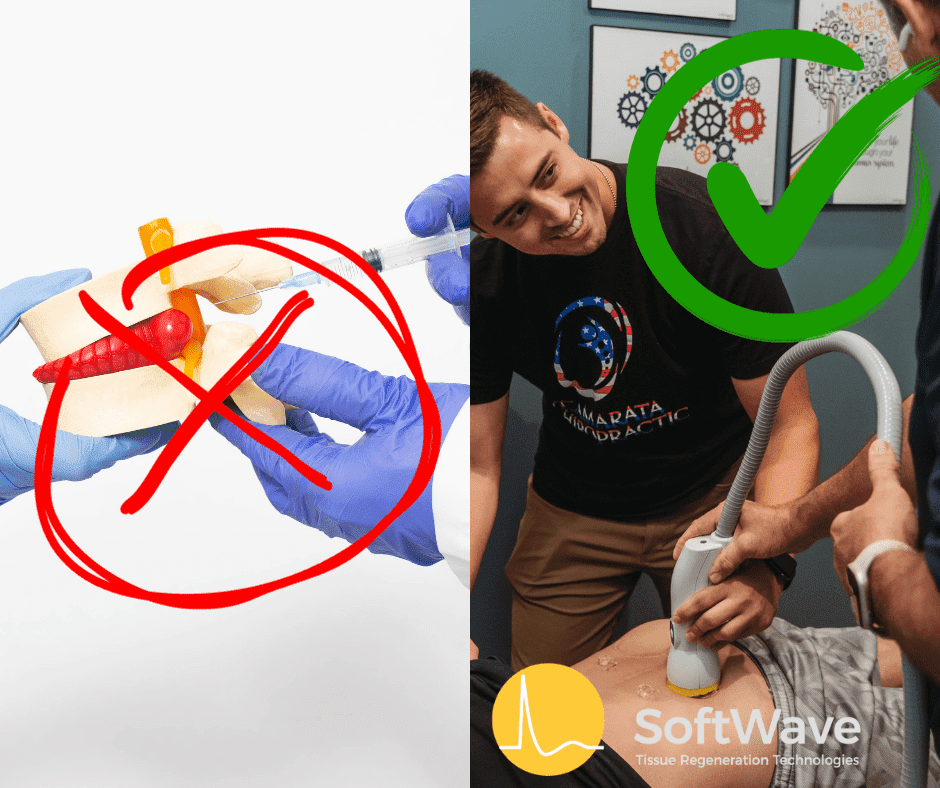
The idea that SoftWave works with your own cells is not just a nice talking point. It shapes the entire experience. There are no needles, no drugs, no surgery, and no downtime. Because nothing foreign is introduced, you avoid the risks and recovery time that come with more invasive procedures. Sessions typically last about 10 to 15 minutes, and most people simply return to their day afterward.
It also reframes what the therapy is really doing. SoftWave is not the healer. Your body is the healer. The technology is a tool that helps restart and support a process your biology already owns. For many people in Rochester who feel like they have tried everything, that shift is encouraging, because it means the potential for repair may still be there waiting to be activated.
Ready to see if SoftWave Therapy is right for you? Request your SoftWave Discovery Day in Rochester today.
What to Expect at Camarata Chiropractic
SoftWave is not a single magic session. Because it works by stimulating a natural healing cascade, results build over time. Most people go through a series of sessions over roughly 6 to 8 weeks. What many patients find reassuring is that the process does not stop when your appointments end. Since the therapy is designed to activate your own cells, healing can continue for weeks to months after your last session as your body carries out the repair work that was set in motion.
Dr. Sam Camarata will evaluate your situation and help set realistic expectations. Many patients report meaningful improvement, but SoftWave is not a guaranteed cure, and it is not a replacement for professional medical advice. The goal is honest guidance about whether this drug-free, non-invasive option is a reasonable fit for your specific case.
SoftWave technology has been studied at leading institutions and is used by clinicians who work with professional and collegiate athletes, which speaks to the level of interest in how acoustic wave therapy can support the body's own recovery systems.
Ready to Take the Next Step?
If you are curious whether your body can be encouraged to repair itself using your own stem cells, the best next step is a conversation and an evaluation with our Rochester area team. We would be glad to walk you through the process and answer your questions.
Request your SoftWave Therapy new patient visit online today
Contact Camarata Chiropractic
Camarata Chiropractic
3237 Union St
North Chili, NY 14514
Phone: 585-617-4145
Our Main Office Website: https://www.camaratachiropractic.com
‹ Back