

Blog
Understanding Chronic Diabetic Foot Ulcers: How SoftWave Therapy Supports Wound Healing
Why Chronic Diabetic Foot Ulcers Are So Hard to Heal in Rochester, NY
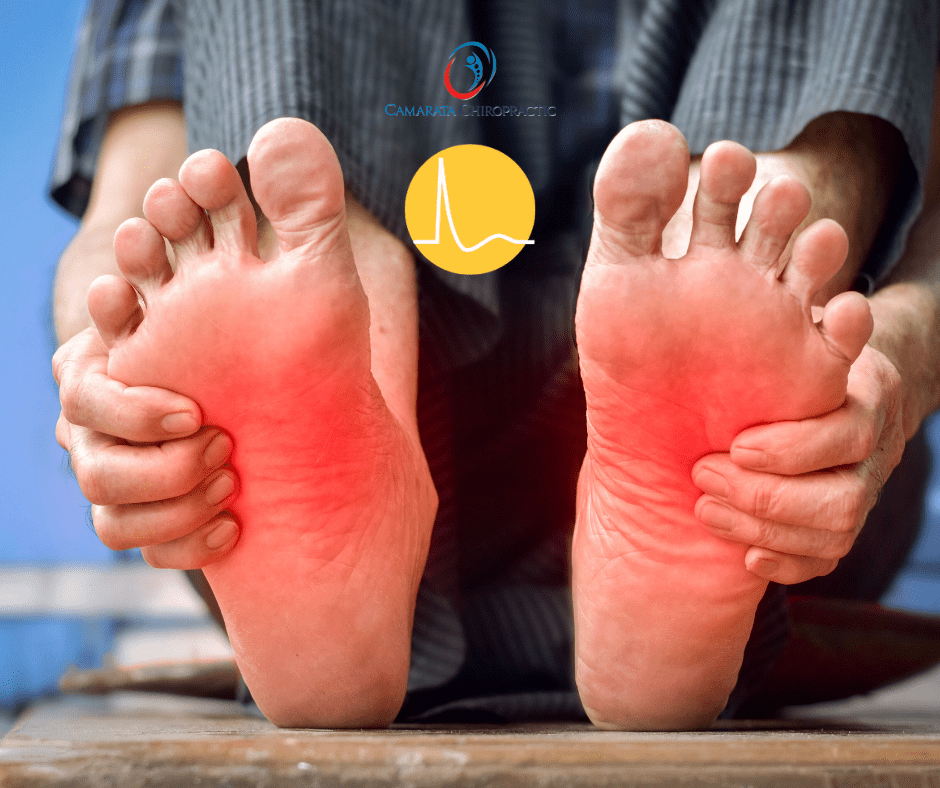
If you or someone you love is living with diabetes here in the Rochester area, a small sore on the foot can turn into a big worry very quickly. A blister, a cracked heel, or a pressure spot that would heal on its own for most people can linger for weeks or months when diabetes is part of the picture. These stubborn wounds are called chronic diabetic foot ulcers, and they deserve careful, consistent attention. At Camarata Chiropractic, Dr. Sam Camarata offers SoftWave Therapy, also known as SoftWave TRT, as one supportive, non-invasive option that works alongside your existing diabetic and wound care team here in North Chili and the greater Rochester, NY community.
Before we talk about how SoftWave may help, it is important to be clear about something up front. SoftWave Therapy is designed to complement your medical care, not replace it. Diabetic foot ulcers are serious. They require ongoing evaluation from your primary care provider, podiatrist, or wound care specialist. Please keep your care team in the loop about everything you do, including any therapy you add.
What Makes Diabetic Foot Ulcers Different
To understand why these wounds are slow to heal, it helps to know what diabetes does to the body over time. Two big factors work against healing at the same time, and together they create the perfect conditions for a wound that just will not close.
Poor Circulation
Healing is a delivery job. Your blood carries oxygen, nutrients, immune cells, and the building blocks of new tissue to the site of an injury. Over time, elevated blood sugar can damage blood vessels, especially the small vessels in the feet and lower legs. When circulation is reduced, the wound simply does not get the steady supply of resources it needs to rebuild. This is why a foot ulcer on a person with diabetes may sit open for a long time while the body struggles to deliver what it takes to heal.
Neuropathy and Loss of Protective Sensation
Diabetes can also damage nerves, a condition called peripheral neuropathy. When the nerves in the feet are affected, a person may lose the ability to feel pain, heat, or pressure. That sounds harmless, but it is actually one of the biggest risks. A pebble in a shoe, a tight seam, or a small cut may go completely unnoticed until it has already become a serious wound. Because the warning signal of pain is muted, ulcers can form and grow before they are even discovered. This is why daily foot checks are so important for anyone with diabetes.
A Slower, More Complicated Repair Process
On top of circulation and nerve issues, higher blood sugar can slow the immune response and make infection more likely. An open wound on the foot is exposed to pressure with every step and is vulnerable to bacteria. When you combine reduced blood flow, muted sensation, and a slower repair process, you can see why these ulcers are considered a serious medical concern that needs professional oversight and patience.
How SoftWave Therapy Supports Wound Healing
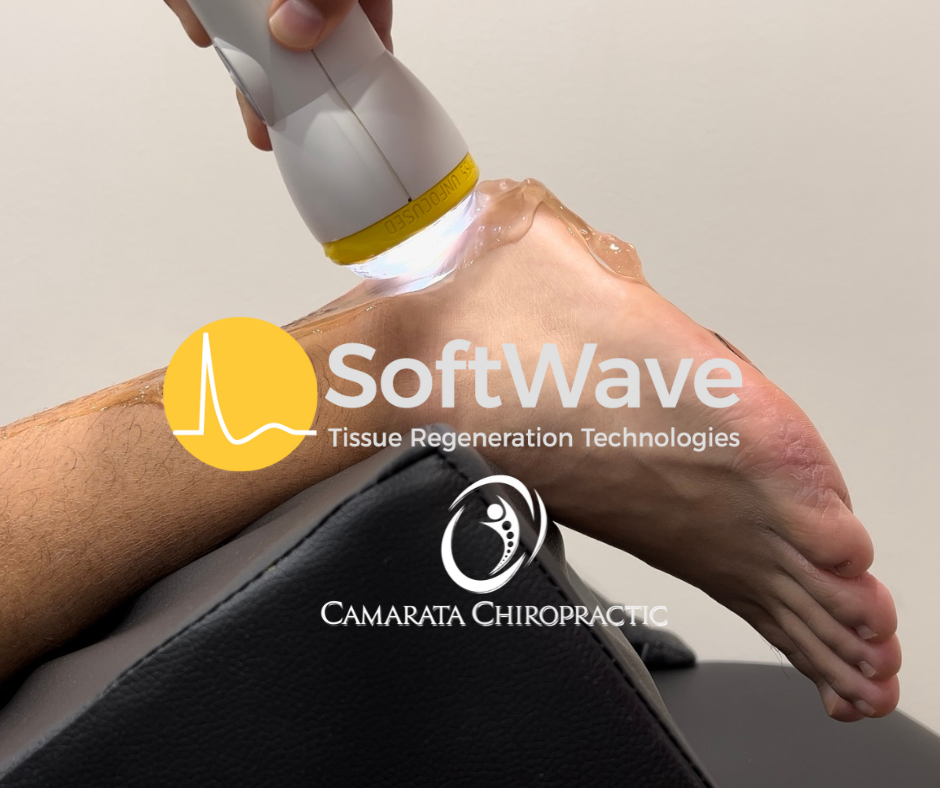
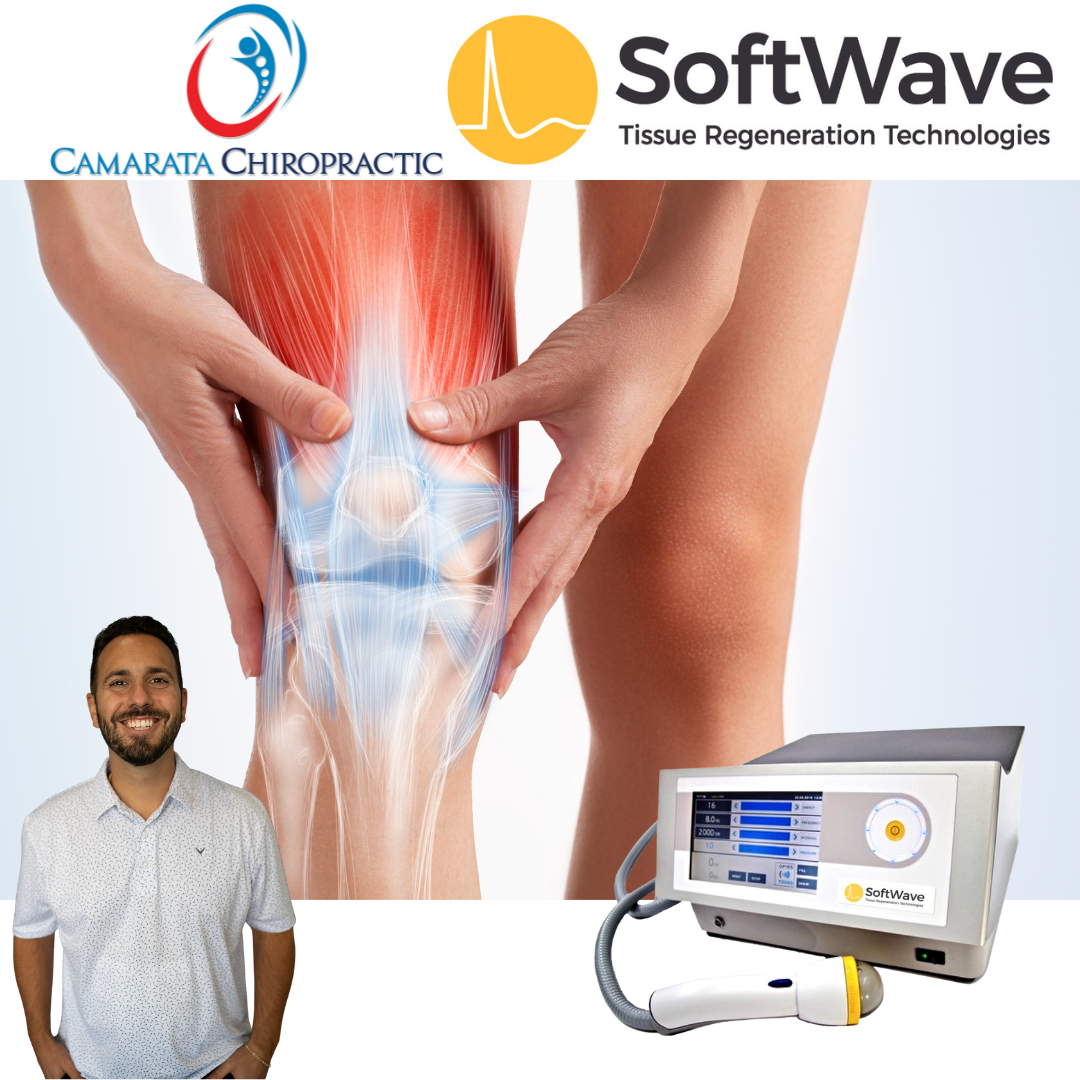
SoftWave TRT is a form of shockwave technology, but it is different from the shockwave devices many people have heard of. It uses electrohydraulic, spark-generated broad-focused acoustic waves delivered through a patented parabolic reflector. In plain language, it sends gentle sound-based energy waves into the tissue to encourage the body's own natural healing responses. It is the only broad-focused shockwave of its kind, which allows the energy to spread across a treatment area rather than concentrating on a single narrow point.
Here is the part that matters most for diabetic foot ulcers. SoftWave is FDA-cleared for the treatment of chronic diabetic foot ulcers and for temporarily increasing local blood flow. Those two clearances speak directly to the challenges we described above. Because reduced circulation is such a central problem in these wounds, a therapy designed to temporarily increase local blood flow addresses one of the root difficulties in the healing process.
The Science, in Plain Language
SoftWave is designed to trigger the body's own healing cascade. Researchers describe several mechanisms that the technology may support:
- Increased local blood flow. The therapy is designed to temporarily increase circulation to the treated area, helping deliver oxygen and nutrients where they are needed.
- Angiogenesis. This is the formation of new blood vessels, supported through signals such as VEGF and eNOS. New vessels can improve the ongoing supply of resources to a healing wound.
- Resident stem cell activation. SoftWave is designed to activate and recruit the body's own repair cells to the area.
- Cell proliferation and collagen support. Signals such as PCNA and BMP are associated with building new tissue and collagen, the framework of healthy skin.
- Modulation of inflammation. The therapy is designed to help regulate the inflammatory environment so the body can move through the phases of healing.
Notice the careful language here. SoftWave is designed to support and encourage the body's natural processes. It is not a magic switch, and no honest provider will promise a guaranteed cure or a specific healing rate. What it offers is a non-invasive way to help create better conditions for healing, working alongside the wound care your medical team provides.
What to Expect With SoftWave in Rochester
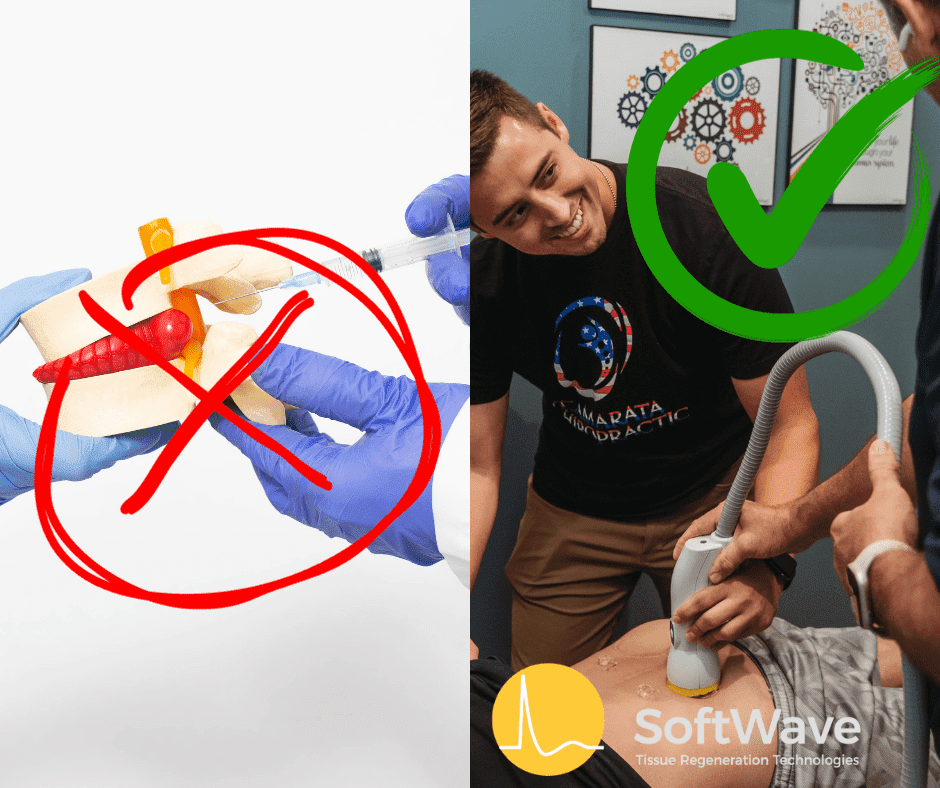
One of the reasons patients appreciate SoftWave is how straightforward the experience is. There are no needles, no drugs, no surgery, and no downtime. Each session takes roughly 10 to 15 minutes. Most treatment plans involve a series of sessions spread over about 6 to 8 weeks, and the body often continues its healing work for weeks to months after the final session. Dr. Camarata will tailor any plan to your situation and coordinate the idea with the care you are already receiving.
Ready to see if SoftWave Therapy is right for you? Request your SoftWave Discovery Day in Rochester today.
Working With Your Whole Care Team
We want to say this clearly one more time because it is that important. A chronic diabetic foot ulcer is a medical condition that requires professional attention. SoftWave Therapy is a complementary, supportive option, not a substitute for wound care, blood sugar management, proper footwear, offloading pressure, infection monitoring, or any treatment your doctor or podiatrist recommends. The best outcomes come from a coordinated approach where every part of your care works together.
If you notice any signs of a worsening wound, such as increased redness, warmth, swelling, drainage, odor, or fever, contact your medical provider right away. These can be signs of infection that need prompt professional care. SoftWave is a tool to support healing over time, not an emergency treatment.
A Non-Invasive, Drug-Free Option Worth Discussing
For many people managing diabetes in the Rochester area, the appeal of SoftWave is that it adds a gentle, drug-free layer of support to their existing plan. Many patients appreciate having a non-invasive option that works with the body rather than adding another medication. If you have been frustrated by a wound that will not close, it may be worth a conversation with Dr. Camarata to see whether SoftWave could be a helpful part of your overall approach.
Ready to Take the Next Step?
If a slow-healing diabetic foot ulcer has been weighing on you, take heart and take action by building the strongest possible support around your healing. Reach out to learn how SoftWave Therapy may complement the wound care you are already receiving from your medical team.
Request your SoftWave Therapy new patient visit online today
Contact Camarata Chiropractic
Camarata Chiropractic
3237 Union St
North Chili, NY 14514
Phone: 585-617-4145
Our Main Office Website: https://www.camaratachiropractic.com
‹ Back